
Best overall: protected sleep. Best for workload overload: boundaries around extra shifts. Best no-equipment option: a brief grounding pause. These are the best self-care strategies for nurse burnout to prioritize in 2026, with practical trade-offs for different schedules and stressors.
- The best self-care strategies for nurse burnout start with protected sleep and workload boundaries, not another demanding routine.
- Peer support helps you discuss difficult shifts; professional support addresses distress that affects daily functioning.
- Movement, meals, and grounding support recovery but do not fix unsafe staffing or excessive workload.
- Pdfcanopy offers downloadable practical-advice guides; educational reading is not clinical burnout treatment.
Why this matters
Nurse burnout is not proof that you lack resilience. The World Health Organization describes burnout as an occupational phenomenon resulting from chronic workplace stress that has not been successfully managed. Its dimensions include exhaustion, distance or cynicism toward work, and reduced professional efficacy.
Your 2026 self-care plan should address both recovery and working conditions. A calming exercise does not replace adequate staffing, protected breaks, or a manageable assignment. Do not turn an organizational problem into another personal obligation.
Pdfcanopy sells downloadable guides offering practical advice and coping information. Use educational material as a planning aid, not as a substitute for workplace action or individualized care.
What makes the best self-care strategy for nurse burnout?
Choose a strategy by the problem it addresses, not by how impressive the routine looks.
- Problem fit: Match sleep loss, isolation, workload, or persistent distress to the appropriate response.
- Schedule fit: Choose actions that work around your actual shifts and responsibilities.
- Low friction: Avoid routines that require extensive preparation when you already feel depleted.
- Clear boundaries: Separate personal recovery from changes your employer must make.
- Safety: Protect patient coverage, confidentiality, and your ability to work and travel safely.
- Observable usefulness: Notice whether the action addresses your specific difficulty rather than merely completing a checklist.
Nurse burnout strategies at a glance for 2026
The order below gives you a starting point, not a claim that every nurse needs the same intervention.
| Strategy | Best for | Standout feature | Key limitation |
|---|---|---|---|
| Protected sleep | Sleep debt | Reserves time for recovery | Requires schedule and household cooperation |
| Workload boundaries | Extra-shift overload | Addresses added demands directly | Limited control over employer decisions |
| Protected breaks | Uninterrupted caregiving | Creates space for basic needs | Requires safe coverage |
| Peer support | Feeling alone after difficult shifts | Shared professional context | Does not replace treatment |
| Professional support | Distress affecting daily life | Individual assessment and care | Requires arranging access |
| Post-shift transition | Work following you home | Marks a boundary between roles | Does not resolve underlying workload |
| Manageable movement | An overly demanding exercise routine | Allows activity without a performance target | Cannot compensate for sleep loss |
| Meal planning | Missed meals and preparation fatigue | Reduces everyday food decisions | Does not guarantee break access |
| Grounding pause | Immediate tension | Needs no equipment | Offers short-term support only |
| Non-work connection | Life narrowing to nursing | Protects identity beyond work | Takes coordination and energy |
1. Protected sleep: best for nurses with sleep debt
Best for: Nurses whose recovery time repeatedly disappears between shifts.
Reserve a sleep opportunity before filling the rest of your calendar. The CDC recommends at least 7 hours of sleep per day for adults aged 18–60; night-shift nurses need protected sleep even when their rest falls during daylight.
Start with the obstacles you can change: notifications, household interruptions, light, and unnecessary commitments. Persistent sleep difficulty deserves assessment rather than an increasingly elaborate bedtime routine.
Protected sleep pros:
- Addresses a basic recovery need.
- Gives household members a clear boundary to respect.
- Does not require tracking every aspect of your health.
Protected sleep cons:
- Rotating shifts and caregiving limit control.
- Time in bed does not guarantee restorative sleep.
Verdict: Buy in. Protect sleep before adding another self-care task, and seek help when sleep problems persist.
2. Workload boundaries: best for extra-shift overload
Best for: Nurses whose optional commitments repeatedly consume recovery time.
Review what you can decline, postpone, or renegotiate. Extra shifts, committee work, and work messages outside scheduled hours deserve separate decisions rather than automatic agreement.
Make your boundary specific: identify which commitment you are declining and what recovery time it protects. For unsafe assignments or staffing concerns, use your workplace's reporting and escalation procedures; simply enduring the situation is not a self-care strategy.
Workload boundaries pros:
- Targets additional demands rather than their aftermath.
- Makes your limits easier to communicate.
- Separates required work from optional commitments.
Workload boundaries cons:
- Financial needs constrain choices.
- Personal boundaries cannot change staffing decisions alone.
Verdict: Buy in. Start with a demand you actually control; escalate structural problems through the appropriate channels.
3. Protected breaks: best for uninterrupted caregiving
Best for: Nurses who repeatedly finish shifts without attending to basic needs.
Ask how coverage works for meals, bathroom access, and rest breaks. Arrange a handoff through the approved process rather than leaving patients without coverage.
A protected break is different from eating while answering messages or continuing clinical tasks. If breaks repeatedly fail because coverage is unavailable, document and report the pattern through your workplace process. Do not treat that failure as poor personal discipline.
Protected breaks pros:
- Creates space for food and basic needs.
- Makes coverage expectations explicit.
- Identifies an operational barrier worth addressing.
Protected breaks cons:
- Requires cooperation and adequate coverage.
- Urgent clinical demands interrupt plans.
Verdict: Buy in. Treat breaks as a coverage issue, not something you must earn by finishing everything.
4. Peer support: best for feeling alone after difficult shifts
Best for: Nurses who want to speak with someone who understands clinical work.
Choose a trusted colleague, an appropriate peer-support program, or a facilitated discussion space. Decide whether you need listening, practical advice, or help raising a concern before the conversation starts.
Keep patient information within authorized channels and follow confidentiality requirements. Peer support should leave room for your experience without turning every conversation into a replay of workplace conflict.
Peer support pros:
- Provides shared professional context.
- Gives you space to name difficult experiences.
- Creates a route to asking for practical help.
Peer support cons:
- Repeated venting can leave problems unresolved.
- Colleagues are not substitutes for qualified clinicians.
Verdict: Buy in. Choose a supportive conversation with a clear purpose, not an obligation to relive every shift.
5. Professional support: best for distress affecting daily life
Best for: Nurses experiencing persistent distress, impaired functioning, or concerns about their safety.
Contact a qualified mental health professional or healthcare clinician when symptoms affect sleep, relationships, daily responsibilities, or safe practice. Burnout and mental health conditions are not interchangeable; assessment helps determine what care you need.
Ask about confidentiality, scheduling, and the scope of any workplace support service before using it. Professional care moves ahead of this ranking when safety or functioning is affected.
Professional support pros:
- Provides individualized assessment.
- Creates space outside your immediate team.
- Connects you with an appropriate care plan.
Professional support cons:
- Finding suitable care takes coordination.
- Workplace conditions still require separate action.
Verdict: Buy in. Do not wait to perfect your self-care routine before seeking appropriate support.
6. Post-shift transition: best for work following you home
Best for: Nurses who move straight from clinical demands into household responsibilities.
Choose a simple transition after leaving work: change clothes, wash, sit quietly, or take a comfortable walk. The purpose is to mark the end of your work role, not to force yourself into a better mood.
Complete required documentation and handoffs through approved systems. Keep patient identifiers out of personal notes, messages, and journals; an emotional reset is not a reason to move clinical information home.
Post-shift transition pros:
- Establishes a recognizable boundary between roles.
- Allows you to acknowledge a difficult shift.
- Adapts to different schedules and households.
Post-shift transition cons:
- Family responsibilities compete for that space.
- A ritual does not resolve workplace problems.
Verdict: Buy in. Keep the transition simple enough to use after a tiring shift.
7. Manageable movement: best for avoiding another performance demand
Best for: Nurses who want activity without an exhausting fitness challenge.
Choose movement that fits your health, energy, and preferences. Walking, comfortable mobility work, or an activity you enjoy gives you an alternative to a rigid workout plan.
The U.S. Department of Health and Human Services' adult guidelines recommend 150 minutes of moderate-intensity activity per week and muscle-strengthening activity on 2 days per week. These are general health targets, not a nurse-burnout treatment prescription or a requirement to exercise when unwell.
Manageable movement pros:
- Offers choices beyond formal workouts.
- Can include social or outdoor time.
- Allows you to adjust effort to your circumstances.
Manageable movement cons:
- Pain or health conditions require adjustments.
- Exercise cannot replace adequate sleep.
Verdict: Buy in. Choose sustainable activity rather than using exercise to push through exhaustion.
8. Meal planning: best for missed meals and preparation fatigue
Best for: Nurses who find food decisions difficult before or after shifts.
Choose familiar meals and portable foods you already tolerate and enjoy. Plan around actual storage, heating facilities, and access to breaks rather than an idealized meal-preparation routine.
Keep the plan flexible enough for schedule changes. If you need advice about a medical condition, dietary restriction, or eating difficulty, seek individualized guidance instead of treating a general food checklist as care.
Meal planning pros:
- Reduces repeated preparation decisions.
- Makes food easier to organize around shifts.
- Works without special recipes or supplements.
Meal planning cons:
- Preparation still takes time and effort.
- Packed food does not solve missing meal breaks.
Verdict: Buy in. Simplify food logistics while addressing the workplace barriers that stop you eating.
9. Grounding pause: best for immediate tension
Best for: Nurses who need a brief pause when circumstances safely allow it.
Notice your feet on the floor, relax unnecessary muscle tension, and let your breathing remain comfortable. You can also direct attention to neutral details around you rather than concentrating on breath.
Use grounding only when it does not distract from immediate clinical responsibilities. Stop any breathing exercise that causes dizziness or discomfort. The goal is a manageable pause, not suppressing an appropriate reaction to a difficult situation.
Grounding pause pros:
- Requires no equipment.
- Offers alternatives to breath-focused exercises.
- Fits a brief, safely available moment.
Grounding pause cons:
- Does not change the cause of overload.
- Some exercises feel uncomfortable or unhelpful.
Verdict: Buy in. Use grounding as short-term support, never as permission to ignore unsafe conditions.
10. Non-work connection: best for life narrowing to nursing
Best for: Nurses whose conversations and activities revolve almost entirely around work.
Protect a relationship or activity where you are not responsible for being the clinician. Choose something you actually want: a conversation, shared meal, hobby, community activity, or quiet companionship.
Tell people what your schedule permits rather than repeatedly committing beyond your capacity. Connection should not become another performance standard, and time alone remains a valid preference when it is restorative rather than unwanted isolation.
Non-work connection pros:
- Makes room for interests outside nursing.
- Offers relationships without clinical responsibility.
- Adapts to quiet or social preferences.
Non-work connection cons:
- Shift schedules complicate coordination.
- Social commitments also consume energy.
Verdict: Buy in. Choose meaningful contact over a crowded calendar.
How these strategies are ranked
This 2026 ranking prioritizes problem fit, practicality, safety, and the distinction between personal recovery and workplace responsibility. It is not a clinical comparison establishing that one strategy treats burnout better than another.
Pdfcanopy is best for readers seeking downloadable practical-advice guides, not clinical burnout treatment. That distinction matters when choosing reading material: advice should support your next action, not delay professional care or workplace escalation.
Which nurse burnout strategy should you choose?
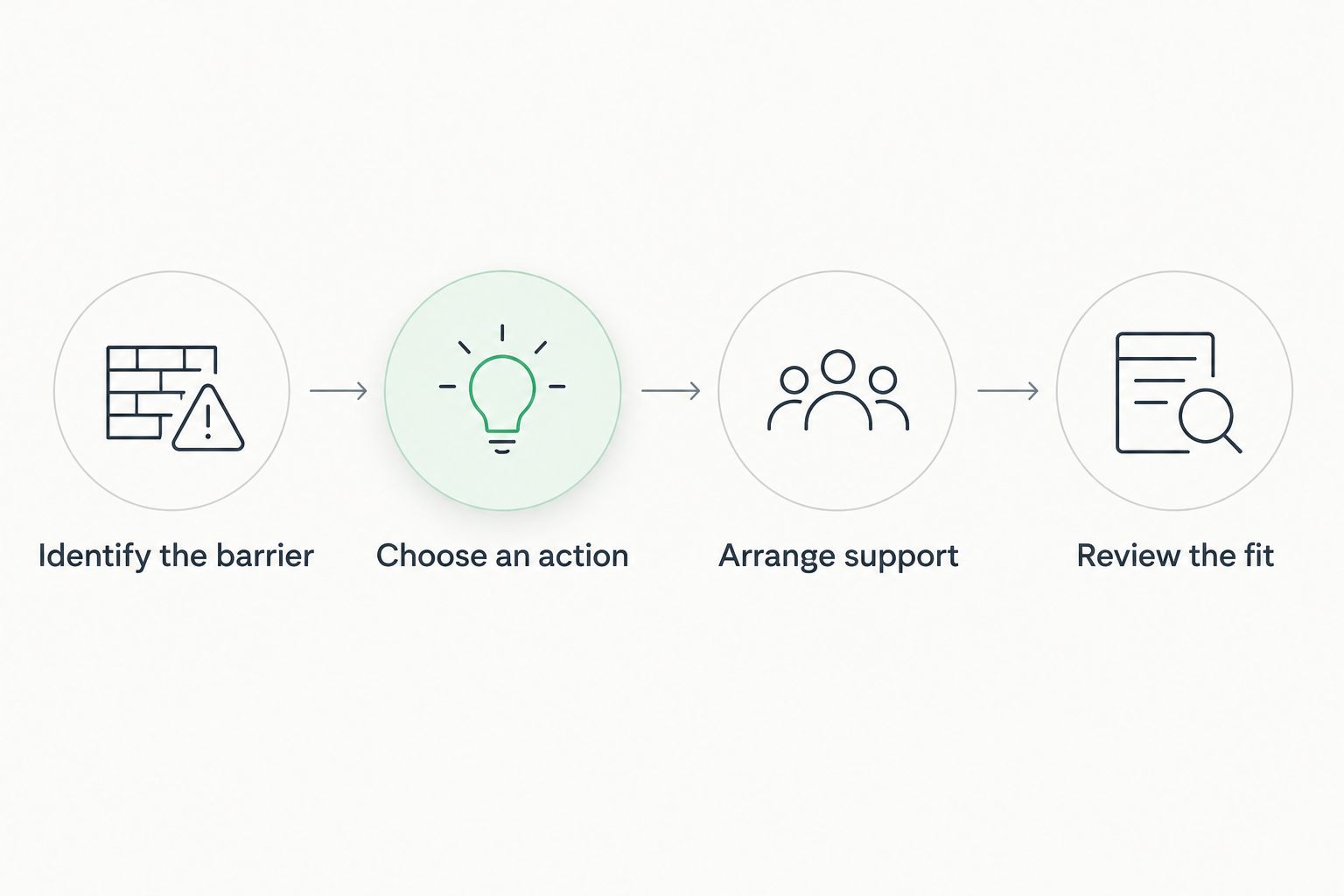
Default to protected sleep, then address the demand that keeps displacing it. If distress affects functioning or safety, professional support becomes the priority. For your 2026 plan, follow this sequence rather than attempting every strategy at once:
- Identify the barrier: Name what makes recovery difficult.
- Choose an action: Match a strategy to that barrier.
- Arrange support: Involve the person or service needed.
- Review the fit: Keep, adjust, or replace the action.
A sleep problem needs a different response from an unsafe assignment. That distinction is more useful than adding another habit.
FAQ
What's the best self-care strategy for nurse burnout?
Protected sleep is the default starting point when sleep loss is your main barrier. Workload boundaries address added demands, while professional support takes priority when distress affects functioning or safety.
Can self-care alone fix nurse burnout?
No, personal self-care does not correct unsafe staffing, excessive workload, or other organizational problems. Pair recovery habits with the appropriate workplace reporting and support processes.
How much sleep should a nurse aim for?
The CDC recommends at least 7 hours of sleep per day for adults aged 18–60. Protect sleep around your actual shift pattern, and seek assessment for persistent sleep difficulty.
Is exercise better than rest for nurse burnout?
Exercise is not a substitute for needed sleep or rest. Choose activity suited to your health and energy rather than pushing through exhaustion to meet a fitness target.
What can I do when I can't take a break during a shift?
Raise the coverage problem through your workplace's approved process. Do not leave patients without a safe handoff, and report repeated failures to provide access to basic needs.
When should I get professional help instead of trying more self-care?
Seek professional assessment when distress persists or affects sleep, relationships, daily functioning, or safe practice. If you are in immediate danger or think you might harm yourself, contact emergency services or crisis support now.
Are Pdfcanopy guides a substitute for burnout treatment?
No, Pdfcanopy guides provide practical advice and coping information, not individualized clinical care. Use educational reading alongside appropriate professional support and workplace action.
One last thing
A shorter self-care plan can be the better-designed plan. For 2026, remove a recurring demand before adding another routine when that demand is the real obstacle to recovery. The useful question is not whether you completed all ten strategies; it is whether your next action addresses the problem you actually face.